The conversation about heavy metal detoxification has been, for many years, occupied by two opposing factions. On one side, the wellness market has promoted aggressive detox protocols, often involving questionable chelating agents, expensive proprietary products, and claims that do not reflect the actual clinical complexity of the territory. On the other side, mainstream medicine has, with some justification, viewed the entire category with scepticism, treating heavy metal toxicity as a rare clinical event relevant only to occupational exposures or acute poisoning.
The reality, in the patients we see at Holina Clinic, sits between these two positions. Chronic low-level heavy metal exposure is a documented contributor to several health conditions in adult patients. The body’s natural detoxification systems are real and effective for most exposure levels, but they can be overwhelmed by sustained intake or by impaired metabolic function. The interventions that actually help — when they are appropriate — are clinically specific and require careful patient selection. And the wellness-market protocols, particularly the aggressive ones, are frequently harmful when applied to patients without proper clinical context.
This piece outlines what the clinical reality of heavy metal detoxification actually involves.
What the Real Exposure Picture Looks Like
Population-level exposure data confirms the relevance. CDC National Biomonitoring data consistently detects measurable levels of multiple heavy metals — including lead, mercury, and cadmium — in the general US adult population, with sub-populations including dental workers, certain artisans, and high fish consumers showing significantly elevated burdens.
The acute occupational and accidental exposures that defined toxicology textbooks for decades are increasingly rare in current adult populations in developed countries. What is more common, and what is more clinically relevant for most of the patients we see, is chronic low-level exposure from multiple sources operating cumulatively.
Common sources include long-term dietary exposure to fish containing methylmercury, particularly for adults who consume tuna, swordfish, or other large predatory fish frequently. Residential exposure in older buildings with lead paint or lead pipes. Occupational exposure in industries including dentistry, certain manufacturing, art restoration, jewellery making, and several others. Cosmetic exposure to products containing heavy metals, particularly some imported cosmetics and traditional remedies. Dental amalgam, where mercury exposure occurs gradually over the lifetime of the restoration. Environmental exposure to cadmium through tobacco smoke. Exposure to arsenic through certain water sources and certain rice-heavy diets.
For most adults, exposure from these sources is within levels that the body’s detoxification systems can manage. For a meaningful subset, particularly those with multiple exposure sources, impaired detoxification capacity, or sustained high exposure, the body’s burden accumulates over time and begins to produce clinical effects.
How Heavy Metal Burden Actually Affects Health
The mechanisms by which heavy metals affect health are well-documented, though the clinical presentations are often non-specific in ways that make identification difficult. Mercury, lead, cadmium, arsenic, and aluminium have all been documented to affect mitochondrial function, neurotransmitter signalling, immune regulation, cardiovascular function, and several other systems.
The clinical presentations that, in our experience, often relate to heavy metal burden include persistent fatigue not adequately explained by other factors, cognitive difficulties including brain fog and memory issues, neuropathic symptoms including tingling and numbness, immune dysregulation, cardiovascular changes, and certain dermatological presentations. These are non-specific, which is part of why the condition is frequently missed. They become more clinically suggestive when they occur in a patient with documented exposure history and impaired detoxification function.
The Assessment That Actually Identifies Burden
The standard medical workup does not assess heavy metal burden adequately. Serum levels of heavy metals are useful for acute exposure but largely uninformative for chronic burden, because the body sequesters heavy metals in tissues including bone, brain, and adipose tissue rather than maintaining elevated serum levels. A patient with significant chronic burden can have entirely normal serum heavy metal levels.
The assessments that do identify chronic burden include urinary heavy metal testing, often using a provocation challenge with a chelating agent to mobilise sequestered metals into urine for measurement. Hair mineral analysis has its uses for some metals though with significant interpretive limitations. Whole blood metal testing rather than serum can be more informative for certain metals. Where clinical suspicion is high and standard testing is inconclusive, more advanced testing including tissue analysis can be appropriate.
The interpretation of these tests requires clinical experience. False positives are possible, particularly with provocation testing in patients without significant burden. False negatives occur when the testing approach does not match the metal involved or the body’s sequestration pattern. The assessment is a clinical activity, not a simple positive-or-negative result.
What Appropriate Treatment Involves
For patients with documented heavy metal burden producing clinical symptoms, the treatment protocols at Holina Clinic are calibrated to the specific metal involved, the level of burden, the patient’s detoxification capacity, and several supporting factors.
Chelation therapy, using clinically appropriate agents matched to the metal involved, is the central intervention for significant burden. DMSA, DMPS, EDTA, and other agents have different applications and are used with appropriate medical supervision. The protocols are delivered carefully, over weeks to months, with regular monitoring of the patient’s response and any redistribution of metals during treatment.
Supporting detoxification function through nutritional and metabolic interventions is essential. The body’s detoxification systems depend on adequate substrate including glutathione, sulphur-containing amino acids, certain B-vitamins, and others. These are addressed through both oral and IV protocols where appropriate.
Reducing ongoing exposure is part of any meaningful protocol. Identifying and addressing the sources that have produced the burden is part of the work, because chelation without exposure reduction is, in many cases, addressing the symptom rather than the cause.
Supporting the systems that the heavy metal burden has affected, where the clinical picture requires it. Mitochondrial support, neurological support, immune support — these are commonly part of comprehensive protocols for patients whose burden has produced significant functional effects.
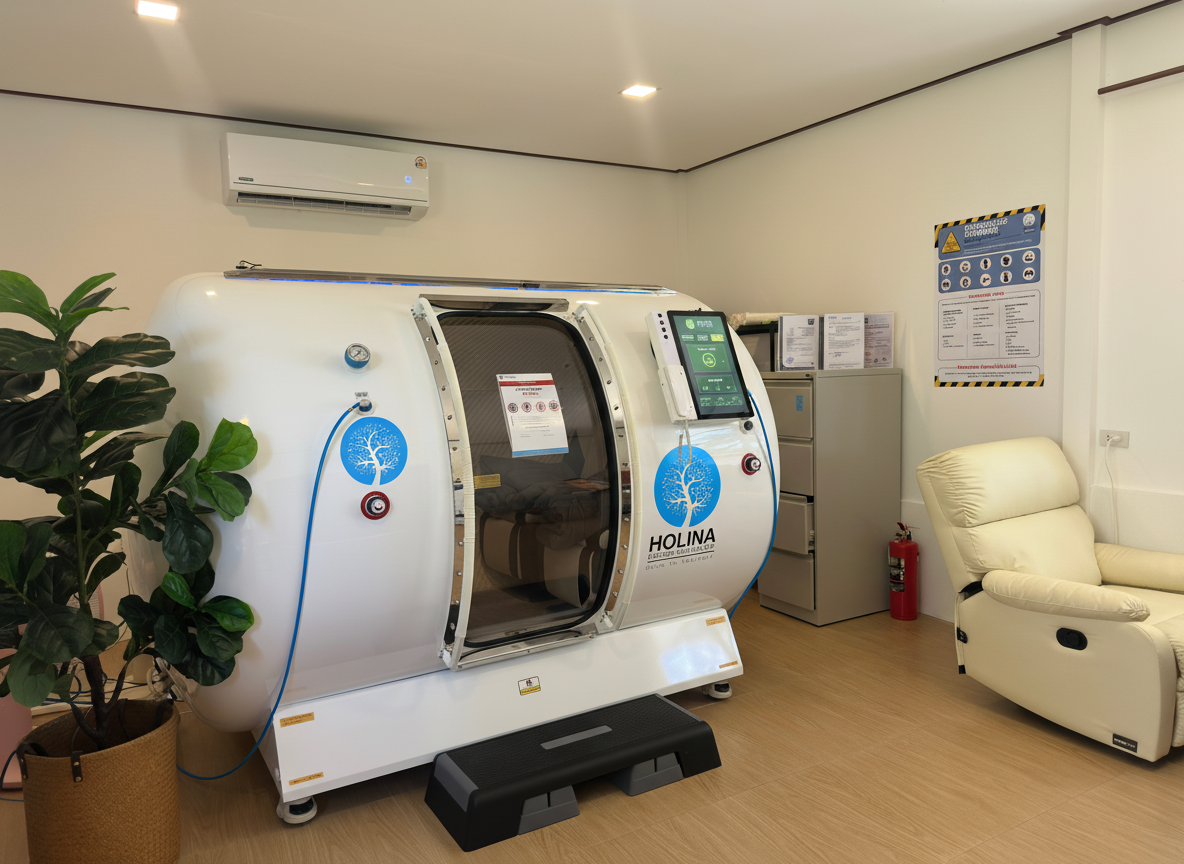
Hyperbaric oxygen therapy can support some aspects of recovery from heavy metal-related tissue damage, particularly where neurological or vascular effects have been pronounced.
The protocol is delivered over months rather than weeks, with regular reassessment and adjustment based on the patient’s response.
Who This Is Appropriate For
Patients with documented chronic exposure history and clinical symptoms that fit the heavy metal profile. Patients whose chronic conditions have been investigated for other causes without adequate explanation and where heavy metal testing reveals significant burden. Patients with documented post-exposure burden who want to address it before it produces more pronounced symptoms. Patients in occupations or living situations with confirmed sustained exposure.
The protocol is not appropriate for patients seeking generic detoxification without documented burden. Aggressive chelation in patients without significant burden can produce harm through redistribution of metals and other mechanisms. The wellness-market protocols that promote chelation as a routine health maintenance practice are not what clinical heavy metal detoxification actually involves.
A Closing Note
If you have a documented exposure history and clinical symptoms that have not been adequately explained by standard workup, careful assessment of heavy metal burden may be a useful piece of the diagnostic puzzle. The work that addresses confirmed burden is clinically specific, evidence-based, and requires appropriate medical supervision. The first conversation with our clinical team is the beginning of finding out what your specific picture looks like and what, if any, of this is relevant to your situation.