The human brain is arguably the most metabolically demanding organ in the body, consuming roughly 20% of the body’s total oxygen supply despite accounting for just 2% of its mass. When oxygen delivery to neural tissue becomes compromised — whether through ageing, chronic stress, traumatic injury, or systemic inflammation — the consequences manifest as cognitive fog, memory lapses, reduced processing speed, and diminished mental resilience. For those seeking a clinically supported approach to protecting and enhancing brain function, HBOT brain health protocols are emerging as one of the most compelling areas of modern integrative medicine.
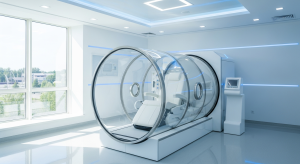
Hyperbaric Oxygen Therapy (HBOT) involves breathing pure, medical-grade oxygen inside a pressurised chamber, typically at 1.5 to 3 times normal atmospheric pressure. Under these conditions, oxygen dissolves directly into the plasma, cerebrospinal fluid, and lymphatic tissue — reaching areas of the brain that standard circulation may inadequately perfuse. The clinical implications of this mechanism are profound. Research into hyperbaric oxygen cognitive function suggests meaningful improvements in memory, attention, executive function, and neurological resilience across a range of patient profiles.
Perhaps most remarkable is HBOT’s relationship with HBOT neuroplasticity — the brain’s extraordinary capacity to reorganise, adapt, and form new neural connections. Physician-supervised HBOT programmes, like those offered at Holina Clinic in Koh Phangan, Thailand, are designed to harness this potential through evidence-based, personalised treatment protocols tailored to each patient’s unique neurological and metabolic profile.
What Happens to Your Brain Inside a Hyperbaric Chamber
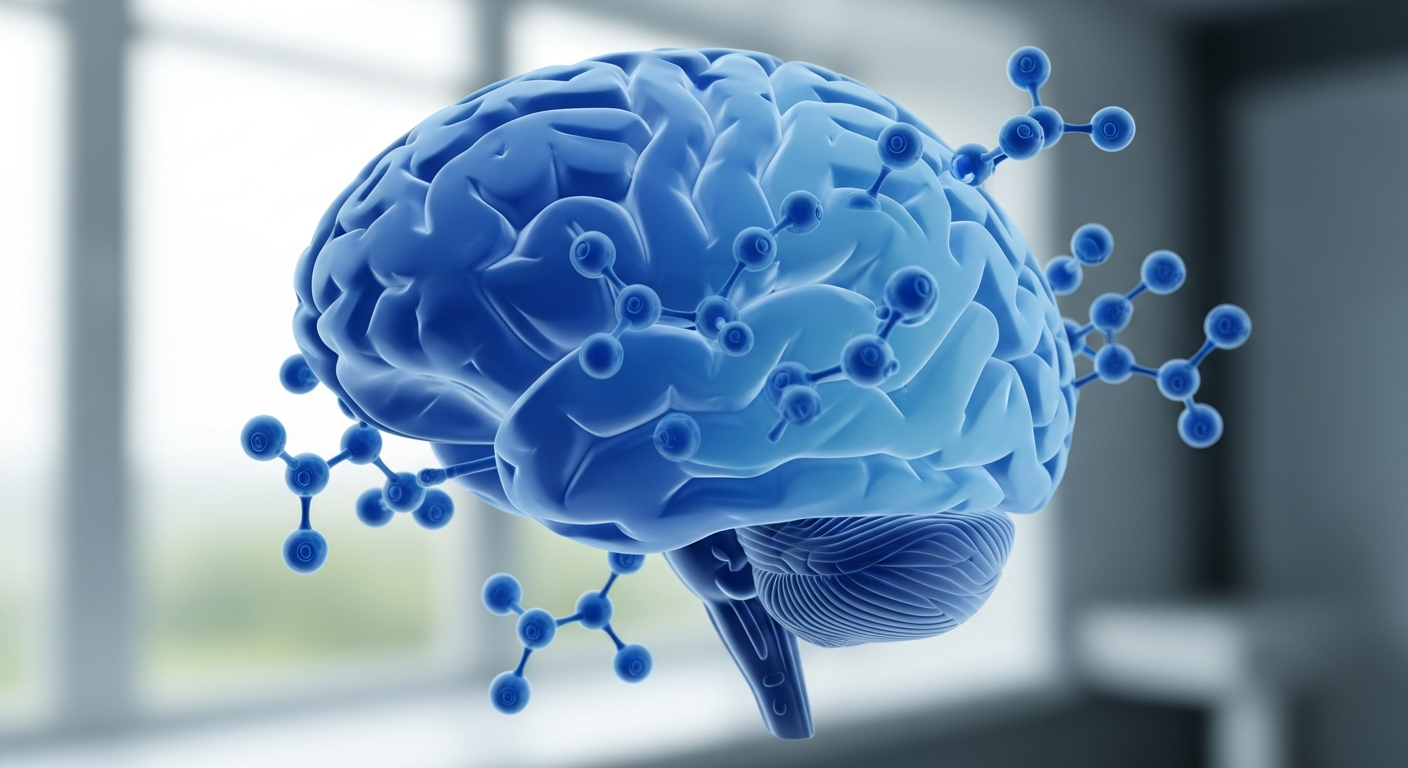
Hyperbaric Oxygen Therapy (HBOT) delivers pure oxygen at atmospheric pressures typically ranging from 1.5 to 3.0 atmospheres absolute (ATA). At these elevated pressures, oxygen dissolves directly into blood plasma, cerebrospinal fluid, and lymphatic tissue — bypassing the normal haemoglobin-dependent transport system that the body relies on under standard conditions. For the brain, which accounts for roughly 20% of the body’s total oxygen consumption despite representing only 2% of body weight, this shift in oxygen delivery has measurable and clinically significant consequences.
Under normal atmospheric conditions, brain tissue oxygenation is tightly regulated and inherently limited by haemoglobin saturation capacity. Once haemoglobin approaches 100% saturation, no additional oxygen can be carried through conventional means. HBOT fundamentally changes this equation. By dissolving oxygen directly into plasma, the therapy can increase total blood oxygen content by up to 10 to 15 times beyond baseline levels, allowing oxygen to reach brain regions that may be experiencing reduced perfusion, microvasculature compromise, or mitochondrial inefficiency.
Several key physiological mechanisms explain why this matters specifically for cognitive function:
- Neuroplasticity activation: Elevated oxygen tensions have been shown in peer-reviewed research to stimulate the release of brain-derived neurotrophic factor (BDNF), a protein that supports the growth, maintenance, and differentiation of neurons. BDNF plays a central role in learning, memory consolidation, and synaptic resilience.
- Mitochondrial optimisation: Brain cells are densely packed with mitochondria. Pressurised oxygen enhances mitochondrial respiration efficiency, supporting ATP production in neurons that may have been operating in a state of subclinical energy deficit.
- Angiogenesis stimulation: Clinical studies, including research published in the journal Aging, have demonstrated that repeated HBOT sessions can promote the formation of new blood vessels in brain tissue, improving long-term cerebral perfusion.
- Reduction of neuroinflammation: Hyperoxygenation has been associated with modulation of pro-inflammatory cytokines, which are increasingly recognised as contributors to cognitive decline and neurological vulnerability.
At Holina Clinic, all HBOT programmes are conducted under direct physician supervision, with treatment protocols personalised to each patient’s clinical profile, cognitive health objectives, and pressure tolerance. Understanding the precise physiology at work is the foundation of safe, effective, and individually calibrated care.
The Science Behind HBOT and Cognitive Enhancement
Hyperbaric oxygen therapy works on the brain through several well-documented physiological mechanisms, each of which has been studied in clinical and research settings. When a patient breathes pure oxygen inside a pressurised chamber at 1.5 to 3 atmospheres absolute (ATA), plasma oxygen saturation rises dramatically — delivering oxygen to tissues that compromised circulation may otherwise struggle to reach. For the brain, which accounts for roughly 20% of the body’s total oxygen consumption despite representing only 2% of its mass, this increased availability has measurable and meaningful consequences.
One of the primary mechanisms involves the stimulation of neuroplasticity — the brain’s capacity to reorganise, form new synaptic connections, and adapt in response to injury or environmental change. Peer-reviewed research, including studies published in Aging and Frontiers in Aging Neuroscience, has demonstrated that repeated HBOT sessions can promote angiogenesis (the growth of new blood vessels) and increase cerebral blood flow in regions associated with memory, executive function, and processing speed. This is particularly relevant for patients experiencing age-related cognitive decline.
HBOT also plays a documented role in reducing neuroinflammation — a key contributor to cognitive impairment across a range of conditions. Elevated neuroinflammatory markers have been linked to difficulties with concentration, mental fatigue, and slower information processing. By modulating inflammatory cytokines and supporting mitochondrial function, pressurised oxygen therapy helps create a biochemical environment more conducive to optimal neurological performance.
Additional clinically observed benefits relevant to brain health include:
- Upregulation of brain-derived neurotrophic factor (BDNF), a protein essential for neuron survival and cognitive resilience
- Improved cellular energy production through enhanced mitochondrial efficiency
- Reduction of oxidative stress in neural tissue through paradoxical antioxidant signalling
- Stimulation of stem cell mobilisation from bone marrow, which may support neural repair processes
- Enhanced clearance of metabolic waste products associated with cognitive fog and fatigue
At Holina Clinic, each patient undergoes a comprehensive clinical assessment before commencing any hyperbaric protocol. Treatment pressures, session duration, and frequency are personalised under physician supervision to align with the individual’s neurological profile, health history, and therapeutic objectives.
What to Expect From HBOT at Holina Clinic: A Personalised, Physician-Supervised Approach
At Holina Clinic on Koh Phangan, Thailand, hyperbaric oxygen therapy is delivered within a structured, clinically supervised framework designed to address each patient’s unique neurological profile and wellness goals. Before any session begins, every guest undergoes a comprehensive health assessment conducted by our experienced medical team. This initial evaluation considers cognitive concerns, lifestyle factors, medical history, and specific performance or recovery objectives — ensuring that your HBOT protocol is calibrated precisely to your needs rather than applied as a one-size-fits-all intervention.
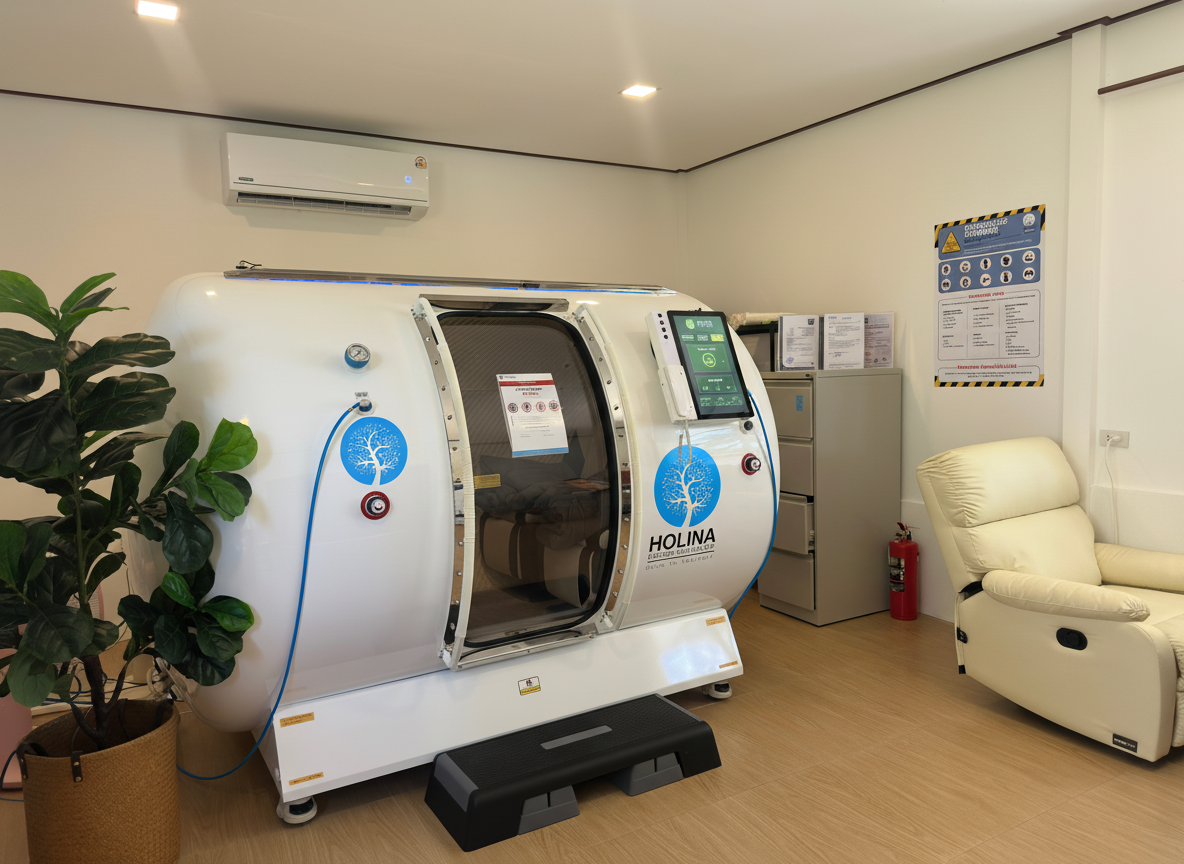
Sessions typically take place inside a monoplace or multiplace pressurised chamber, where atmospheric pressure is gradually increased to between 1.5 and 3.0 atmospheres absolute (ATA), depending on the clinical indication. Patients breathe 100% medical-grade oxygen through a mask or hood for durations generally ranging from 60 to 90 minutes per session. The environment is calm and controlled, with continuous monitoring by trained clinical staff throughout each treatment.
For brain health optimisation, most evidence-based protocols involve a series of sessions rather than a single exposure. Patients targeting cognitive enhancement, post-concussion recovery, or age-related neurological decline typically follow programmes spanning 20 to 40 sessions, with progress reviewed at regular clinical checkpoints. Our physicians adjust pressure levels, session frequency, and overall treatment duration in response to how each individual responds — a level of personalised oversight that is central to safe and effective outcomes.
Guests commonly report the following experiences across a supported HBOT programme:
- Improved mental clarity and sustained focus within the first two weeks of consistent treatment
- Enhanced sleep quality, which further supports neurological repair and memory consolidation
- Reduced mental fatigue, particularly in patients recovering from burnout or prolonged cognitive stress
- Greater emotional resilience and mood stability reported across multi-week protocols
- Increased physical energy levels that complement the neurological benefits observed
HBOT at Holina Clinic integrates seamlessly with our broader integrative medicine programmes, including nutritional therapy, IV micronutrient infusions, and mind-body practices — each working synergistically to support long-term brain health. Whether you are a high-performing executive seeking sharper cognition, an athlete pursuing accelerated recovery, or an individual navigating the effects of ageing on mental acuity, our team is equipped to design a medically sound, goal-specific programme that meets you where you are.
To explore whether hyperbaric oxygen therapy is appropriate for your individual health profile, we invite you to contact our clinical team directly and schedule a personalised consultation.
The relationship between pressurised oxygen delivery and cognitive function represents one of the most compelling areas of contemporary integrative medicine. Through mechanisms including neuroplasticity stimulation, mitochondrial optimisation, cerebral blood flow enhancement, and targeted reduction of neuroinflammation, hyperbaric oxygen therapy offers a clinically grounded, physician-supervised pathway toward measurable improvements in mental clarity, memory consolidation, processing speed, and overall neurological resilience. The evidence base continues to strengthen, with peer-reviewed research consistently supporting HBOT as a meaningful intervention for those seeking to protect and enhance long-term brain health.
At Holina Clinic in Koh Phangan, Thailand, every hyperbaric oxygen programme is individually designed under direct medical supervision, integrating comprehensive baseline assessments, personalised treatment protocols, and continuous clinical monitoring throughout your stay. Our multidisciplinary team ensures that your cognitive wellness journey is both safe and precisely calibrated to your unique neurological profile and health objectives.
If you are ready to explore what evidence-based hyperbaric oxygen therapy can offer your brain health, we warmly invite you to contact Holina Clinic today and schedule your personalised consultation.