“`html
Margaret sits in the pale morning light of her Bangkok hotel suite, her reflection caught between the glass and the river beyond. At forty-three, she recognises the shift: not dramatic, but definitive. Her skin has lost the spring it once held. Sleep, once effortless, now requires negotiation. Her energy arrives in waves rather than a steady current, and the weight that used to fall away with a week of restraint now settles with stubborn permanence around her middle. She has read everything—the Instagram protocols, the supplement stacks, the promises of “biohacking” menopause. Nothing quite fits. What she wants is not ideology but clarity: what actually extends meaningful life for women like her, and what is merely noise masquerading as science?
What Margaret is experiencing is neither pathology nor inevitable decline, but rather the convergence of biological transition, cumulative environmental exposure, and the near-total absence of female-specific longevity research. The perimenopause years represent a metabolic inflection point where oestrogen withdrawal unmasks cardiovascular risk, accelerates bone loss, and reshapes body composition in ways that standard health advice rarely addresses. This is not about “anti-ageing” in the cosmetic sense. This is about extending healthspan, the years lived in functional vitality, not merely lifespan.
This piece is for women in their 40s who have moved beyond wellness trends and seek evidence-based interventions grounded in clinical rigour and tailored to female physiology.
What This Is, Specifically
Longevity in women over forty is not a single intervention but rather a constellation of evidence-backed practices oriented toward slowing age-related disease and preserving metabolic health through the perimenopause transition and beyond. The World Health Organisation recognises this demographic as entering a critical window for cardiovascular and metabolic prevention, particularly as oestrogen withdrawal increases risk for type 2 diabetes, hypertension, and atherosclerosis.
Research published in The Lancet has consistently demonstrated that women experience different disease trajectories than men, with cardiovascular disease emerging as the leading cause of mortality only after the oestrogen-protective window closes. A landmark review in Nature Reviews Endocrinology emphasises that hormone transitions in midlife women are not simply aesthetic concerns but drivers of systemic metabolic change requiring proactive clinical attention. The concept of “healthspan optimisation” refers specifically to interventions that extend not years lived, but years lived free from major disease burden.
The evidence base for female longevity differs markedly from male-focused research. Historically, longevity studies excluded women or failed to stratify results by menopausal status. Recent work by the Stanford Centre on Longevity and collaborative research through the National Institute on Aging has begun to address this gap, revealing that women’s longevity strategies must account for hormonal transitions, iron metabolism changes post-menstruation, and distinct cardiovascular risk profiles that emerge in the fifth decade.
True longevity interventions for this demographic are multimodal: they address hormone optimisation, cardiovascular resilience, metabolic flexibility, skeletal integrity, and cognitive reserve through integrated clinical assessment rather than supplement protocols alone.
Why Standard Treatment Often Misses This
The conventional medical model treats the perimenopause as either a condition requiring pharmaceutical menopause hormone therapy or as a normal life stage requiring no intervention. This binary obscures the clinical reality: women in their 40s occupy a preventive window where targeted interventions can materially alter disease trajectory, yet they are offered neither comprehensive assessment nor coordinated care.
Primary care physicians, trained in acute episodic medicine, often lack systematic frameworks for assessing female metabolic health in midlife. Blood pressure rises, lipid profiles shift, fasting glucose creeps upward, yet these changes are frequently normalised rather than recognised as early signals of cardiometabolic risk. The woman is told her bloods are “fine” or given a statin prescription without deeper investigation into the drivers of that risk. She is not offered systematic bone density assessment, advanced lipid subtyping, or metabolic flexibility testing. Hormone testing, when it occurs, is often limited to a single oestradiol measurement rather than the longitudinal assessment that reveals perimenopause patterns.
Simultaneously, the consumer wellness industry floods this demographic with unvalidated supplement stacks, cleanses, and “bio-identical hormone” protocols that conflate marketing with evidence. Women become confused not because they lack intelligence but because legitimate clinical science is being drowned out by commercial noise. The result is that many women in their 40s are simultaneously over-medicalised in some domains (unnecessary antibiotics, incidental imaging) and profoundly under-treated in others (cardiovascular risk prevention, metabolic optimisation, bone health).
What is missing is integrated clinical assessment followed by personalised, evidence-based intervention addressing the specific biology of female midlife.
The Female Metabolic Shift: What Changes, and Why It Matters
Perimenopause is not an abrupt transition but rather a ten-to-fifteen-year process of changing ovarian function. During this window, oestrogen becomes erratic, progesterone declines steadily, and the metabolic consequences accumulate. Oestrogen exerts protective effects across multiple organ systems: it preserves arterial elasticity, enhances insulin sensitivity, maintains bone mineral density, and supports mitochondrial function. When oestrogen becomes unreliable, these protections weaken.
Research in Menopause journal has documented that body composition shifts unfavourably even when weight remains stable: women lose lean muscle mass and gain visceral adiposity, the metabolically dangerous fat that surrounds organs and drives inflammation. This shift accelerates around ages forty-two to forty-five and cannot be reversed through diet and exercise alone, though both remain essential. Simultaneously, the body becomes more susceptible to insulin resistance. A woman who could previously eat without metabolic consequence may find, for the first time, that carbohydrate tolerance has narrowed.
Bone loss accelerates steeply in the years surrounding menopause. The rate of bone mineral density loss can increase five-fold during perimenopause, a window invisible on standard clinical screening. Women who appear healthy at forty-five may have already lost ten to fifteen percent of skeletal mass by fifty, setting the stage for fracture risk that dominates later decades. Early assessment and intervention during perimenopause, when bone remodelling is still partially responsive to lifestyle and targeted clinical support, offers the highest return on prevention effort.
Understanding these mechanisms is not academic exercise. It explains why a woman’s body has changed, validates her experience, and clarifies what requires clinical attention rather than willpower alone.
What a Residential Clinical Programme Provides
A specialised longevity programme for women in midlife differs fundamentally from standard health retreats. It begins with comprehensive metabolic, hormonal, and structural assessment: advanced lipid profiling, glucose tolerance testing, bone density assessment, cardiovascular imaging when indicated, and serial hormone measurement to map individual perimenopause patterns. This baseline allows clinicians to move from generic advice to personalised intervention.
The residential setting removes the fragmentation of outpatient care. Rather than seeing a gynaecologist one month and a cardiologist six months later, a woman works with an integrated team addressing her whole metabolic picture. Interventions may include optimised movement training tailored to preserve and rebuild lean mass whilst protecting ageing joints, nutritional assessment aligned with changing metabolic demands, cardiovascular conditioning, sleep optimisation, and when appropriate, hormone assessment informing individualised decisions about hormone support.
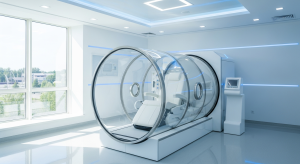
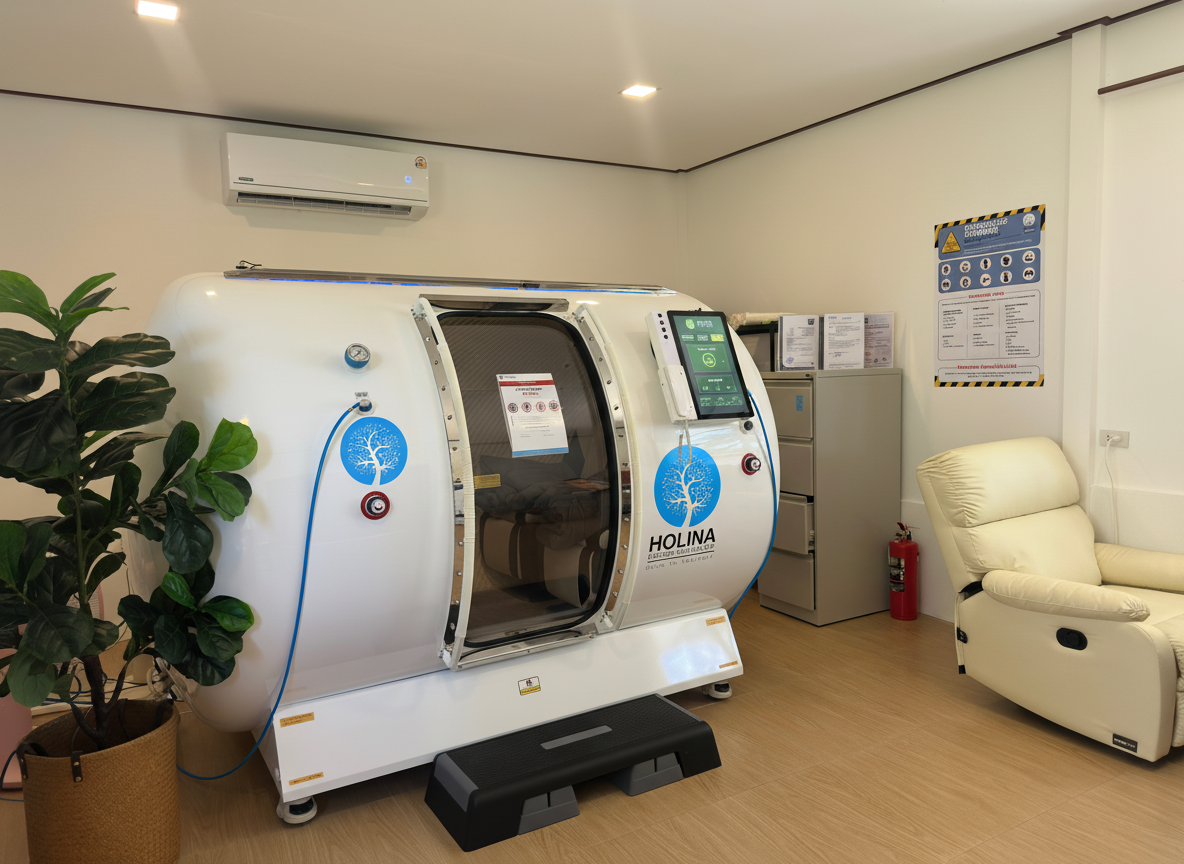
Emerging modalities such as HBOT at Holina Clinic are being integrated into longevity protocols based on evidence suggesting that hyperbaric oxygen may enhance mitochondrial function and systemic oxygen availability, though this remains an area of active research. The residential context allows sustained exposure to these interventions in medically supervised settings unavailable in conventional outpatient medicine.
A woman leaving such a programme carries not merely supplements and prescriptions, but clear understanding of her individual biology, her specific risk profile, and the precise interventions shown to extend not just survival but genuine healthspan.
“`