The changes accumulate gradually. The energy that used to recover with a single good night’s sleep now requires three. The body composition that was straightforward to maintain in earlier years now drifts despite no obvious change in diet or activity. The cognitive sharpness that was a constant feature of working life now operates in fits and starts. The libido, the mood resilience, the easy capacity for stress that defined the previous decades — all of these have, somewhere across recent years, quietly changed. The standard medical pathway, when consulted about these changes, often responds with a version of the conversation that frames everything as normal ageing, optionally supported by an antidepressant or a sleeping tablet if the symptoms are sufficiently pronounced.
For a meaningful proportion of adults in their forties, this framing is inadequate. The changes being described are not simply ageing in the sense that the standard conversation implies. They are, in many cases, the downstream effects of hormonal shifts that are clinically identifiable, clinically addressable, and meaningfully responsive to optimisation protocols that the standard pathway is not structured to deliver.
This piece outlines what hormone optimisation in the forties actually involves, what conditions it can and cannot address, and what the clinical approach at Holina Clinic looks like.
What Is Actually Changing Hormonally in the Forties
Hormonal transition is more widespread and clinically significant than standard pathways often acknowledge. The Menopause Society documents that perimenopause typically begins in the early to mid forties, lasts 4-8 years, and produces clinically significant symptoms in the majority of women. Concurrent research documents that male testosterone levels decline approximately 1-2 percent per year after age 30, with clinically relevant deficits in a meaningful subset of midlife men.
The hormonal landscape of the forties is more complex than the cultural conversation typically allows for. For women, perimenopause begins in this decade for most, with fluctuating then declining oestrogen and progesterone producing a wide range of physical and psychological symptoms that often precede the cessation of menstruation by several years. For men, testosterone decline is gradual but real, with measurable effects on body composition, energy, libido, mood, and cognitive function. Thyroid function in both sexes is more frequently subclinically suboptimal in this decade than the standard panels typically detect. Adrenal output and rhythm changes affect stress response, sleep architecture, and afternoon energy. Growth hormone secretion declines, with effects on body composition and recovery capacity. Insulin sensitivity changes, often before frank insulin resistance is detectable on standard testing.
These changes are real, are not in the patient’s imagination, and have measurable physiological correlates that careful assessment identifies. They are also, in most cases, not what a routine annual physical examines for.
What Comprehensive Assessment Includes
The hormone assessment at Holina Clinic for adults in their forties extends beyond what standard panels typically include. For women, comprehensive assessment of oestrogen and its metabolites, progesterone with attention to menstrual cycle timing where applicable, testosterone in its free and total forms, DHEA, and where appropriate, full sex hormone-binding globulin and aromatase-related metrics. For men, total and free testosterone, DHEA, oestradiol, and the full lipid and metabolic picture that the testosterone-aromatase axis is part of.
For both sexes, comprehensive thyroid assessment beyond TSH alone — including free T4, free T3, reverse T3, and thyroid antibodies — is appropriate, because subclinical thyroid dysfunction is common in this decade and is rarely detected by single-marker screening. Diurnal cortisol assessment through salivary or urinary measurement at multiple time points characterises adrenal rhythm and response. Insulin and glucose metrics including fasting insulin and HbA1c. Inflammatory markers including high-sensitivity CRP. Micronutrient status with attention to the cofactors essential to hormonal function.
The picture that emerges is typically a multi-system one, with several axes contributing to the overall clinical presentation. The protocol is then calibrated to what the assessment actually reveals.
What the Optimization Protocol Includes
The interventions that produce reliable improvement in the forties hormonal picture draw on several modalities working together.
Hormone replacement, where indicated, is undertaken with carefully selected formulations matched to the patient’s picture. For women in or approaching menopause, bioidentical oestrogen and progesterone protocols using transdermal and oral formulations as appropriate. For men with documented testosterone decline producing clinical symptoms, testosterone replacement using injection or transdermal protocols, with appropriate management of the aromatase pathway and other supporting considerations. Thyroid replacement where indicated, often including both T4 and T3 components matched to the patient’s specific picture rather than the T4-only standard.
Nutritional optimisation of the substrate that hormonal function depends on. Specific micronutrient correction for documented deficits. Macronutrient adjustment matched to the metabolic picture. Where appropriate, structured intermittent eating protocols that support hormonal function.
Movement programming that supports hormonal function. Resistance training is particularly important for both sexes in this decade, with documented effects on testosterone, growth hormone, and insulin sensitivity. Aerobic capacity work for cardiovascular and metabolic support. Recovery and parasympathetic work to balance the activation that progress in this decade often requires.
Sleep optimisation, because sleep is one of the primary periods during which hormonal regulation occurs. The protocols are calibrated to the specific hormonal picture and may include the sleep-focused interventions outlined elsewhere in our clinical work.
Stress and autonomic regulation work, because the cortisol-sex hormone interaction means that adrenal dysregulation undermines all other hormonal optimisation if not addressed.
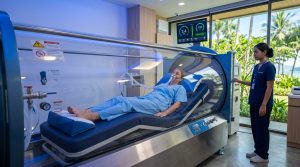
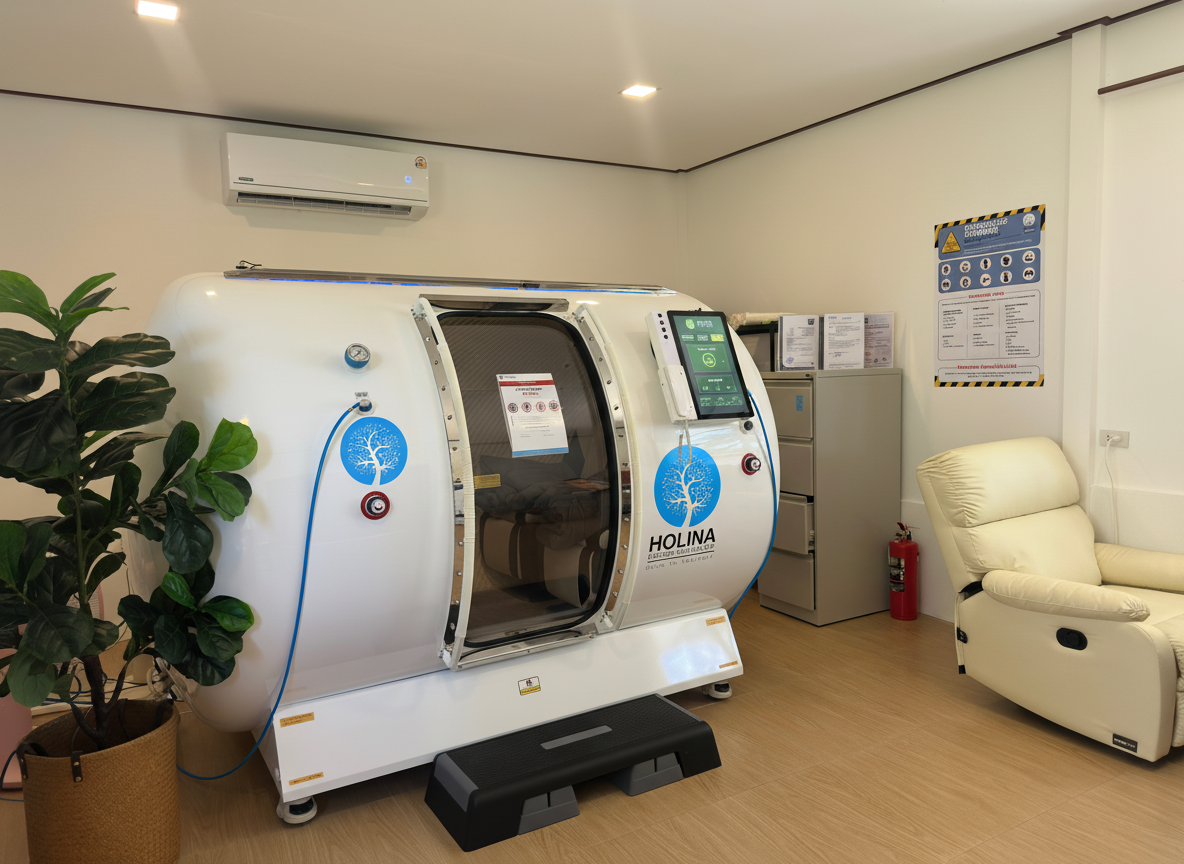
Supportive interventions including NAD+ infusion therapy where the metabolic picture warrants, peptide protocols where indicated, and hyperbaric oxygen therapy for patients whose picture includes significant inflammation or mitochondrial component.
What Outcomes the Protocol Produces
For patients whose forties presentation is responsive to comprehensive hormone optimisation, the outcomes are typically substantial. Energy levels improve, often returning to a baseline the patient had not experienced in years. Body composition shifts in ways that diet and exercise alone had not produced. Cognitive function clears. Libido returns. Mood resilience improves. Sleep deepens. The general felt sense of operating in the body the patient remembers from earlier years returns.
The improvements are not magic, and they are not universal. Patients whose presentation is driven primarily by factors other than hormonal — significant life stress, untreated psychiatric conditions, metabolic disease, sleep apnoea — will not respond fully to hormonal optimisation alone. The comprehensive assessment is what determines which patients are appropriate candidates and what the realistic outcomes are.
Who This Is Appropriate For
Adults in their forties whose symptoms fit the hormonal picture and whose comprehensive assessment confirms it. Patients who have been told by other clinicians that their symptoms are normal ageing without adequate assessment of the underlying mechanisms. Patients whose response to standard interventions has been incomplete. High-performing professionals whose performance has been declining in ways that the standard frameworks have not addressed. Patients with documented hormonal changes who want to optimise rather than simply manage.
The protocol is less appropriate for patients with active conditions that contraindicate specific hormonal interventions, for those whose primary symptoms are not hormonally driven, and for those seeking generic optimisation without the underlying clinical picture that the protocol addresses.
A Closing Note
If you have been navigating the changes of your forties through accumulating workarounds that have not restored you to the function you remember, the substrate that the standard conversation does not engage with may be precisely what requires attention. The work that addresses it is clinically specific, evidence-based, and produces measurable functional restoration in appropriate patients. The first conversation with our clinical team is the beginning of finding out what your specific picture is and what protocol would address it.