NAD+ — nicotinamide adenine dinucleotide — is a coenzyme found in every living cell, and its role in human health spans far beyond simple metabolism. As interest in longevity science, cellular repair, and cognitive performance has grown, NAD+ IV infusion has emerged as one of the most sought-after clinical interventions in integrative medicine. Here is what the science suggests, and what to expect from treatment.
What Is NAD+ and Why Does It Matter?
NAD+ is a critical molecule involved in hundreds of metabolic processes. It functions primarily as an electron carrier in the mitochondria — the cellular organelles responsible for generating ATP, the body’s primary energy currency. Without adequate NAD+, mitochondrial function declines, energy production falters, and a cascade of downstream effects can follow.
Beyond energy metabolism, NAD+ is a required substrate for sirtuins — a family of proteins involved in DNA repair, gene expression regulation, and cellular stress response — as well as for PARP enzymes, which are central to genome maintenance. Research suggests that NAD+ levels decline significantly with age, and this decline may be associated with reduced cellular resilience and the hallmarks of biological ageing.
Why IV Delivery? Bioavailability vs. Oral Supplements
Oral NAD+ precursors — such as NMN (nicotinamide mononucleotide) and NR (nicotinamide riboside) — have attracted considerable attention. However, intravenous delivery offers a fundamentally different pharmacokinetic profile. When taken orally, NAD+ precursors must survive the digestive process, cross the gut wall, and undergo conversion steps before reaching systemic circulation — all of which reduce the effective dose that reaches tissues.
Intravenous NAD+ bypasses the digestive tract entirely, delivering the molecule directly into the bloodstream at concentrations that are simply not achievable through oral supplementation. This allows for a more rapid and pronounced physiological response. For individuals seeking meaningful therapeutic outcomes — rather than maintenance support — IV delivery represents a clinically significant advantage.
What Are the Potential Benefits of NAD+ IV Infusion?
Research into NAD+ therapy is ongoing, and while it is not a treatment for any specific disease, the following areas of potential benefit have been studied:
- Energy and fatigue: Many individuals report improvements in energy levels and reduced fatigue following NAD+ infusion, consistent with enhanced mitochondrial function
- Cognitive clarity: NAD+ plays a role in neuronal health and brain energy metabolism; research suggests potential support for focus, mental clarity, and cognitive resilience
- Recovery: Athletes and those in rehabilitation programmes have explored NAD+ for its potential role in muscle repair and recovery from physical stress
- Addiction support: NAD+ infusion has been studied in clinical settings as a supportive intervention for individuals recovering from substance dependence, with some practitioners reporting improvements in withdrawal symptoms and cravings
- Longevity: Given NAD+’s role in sirtuin activation and DNA repair, it is a central focus of longevity medicine research
What Is Delivered Alongside NAD+?
At a clinical level, NAD+ infusions are rarely administered in isolation. An effective IV protocol typically includes supporting vitamins and minerals that optimise cellular uptake and minimise the risk of side effects. These may include B-complex vitamins (particularly B1, B6, and B12), magnesium, vitamin C, and other co-factors that support the metabolic pathways NAD+ is involved in.
The specific formulation will depend on your individual clinical assessment, health goals, and any existing nutritional deficiencies identified through diagnostic testing. A physician review prior to infusion is essential.
What Does an NAD+ Infusion Feel Like?
NAD+ infusions are administered intravenously over a period of several hours, as the infusion rate must be carefully controlled — infusing too quickly can cause transient discomfort including nausea, chest tightness, or a sensation of pressure. A skilled clinical team will titrate the infusion rate to your individual tolerance, gradually increasing speed as the session progresses.
Most patients find sessions manageable and use the time to rest, read, or engage in light activities. Post-infusion, many report a sense of mental clarity and calm, though experiences vary. A course of multiple sessions is typically more effective than a single infusion.
Who Is NAD+ IV Infusion Suitable For?
NAD+ IV infusion may be appropriate for adults experiencing chronic fatigue, cognitive decline, burnout, or those pursuing a proactive approach to longevity and cellular health. It is also used in integrated recovery programmes alongside other therapies. A full medical history review is required before treatment, and NAD+ infusion is not appropriate for individuals with certain cardiovascular or metabolic conditions without specialist medical oversight.
At Holina Clinic
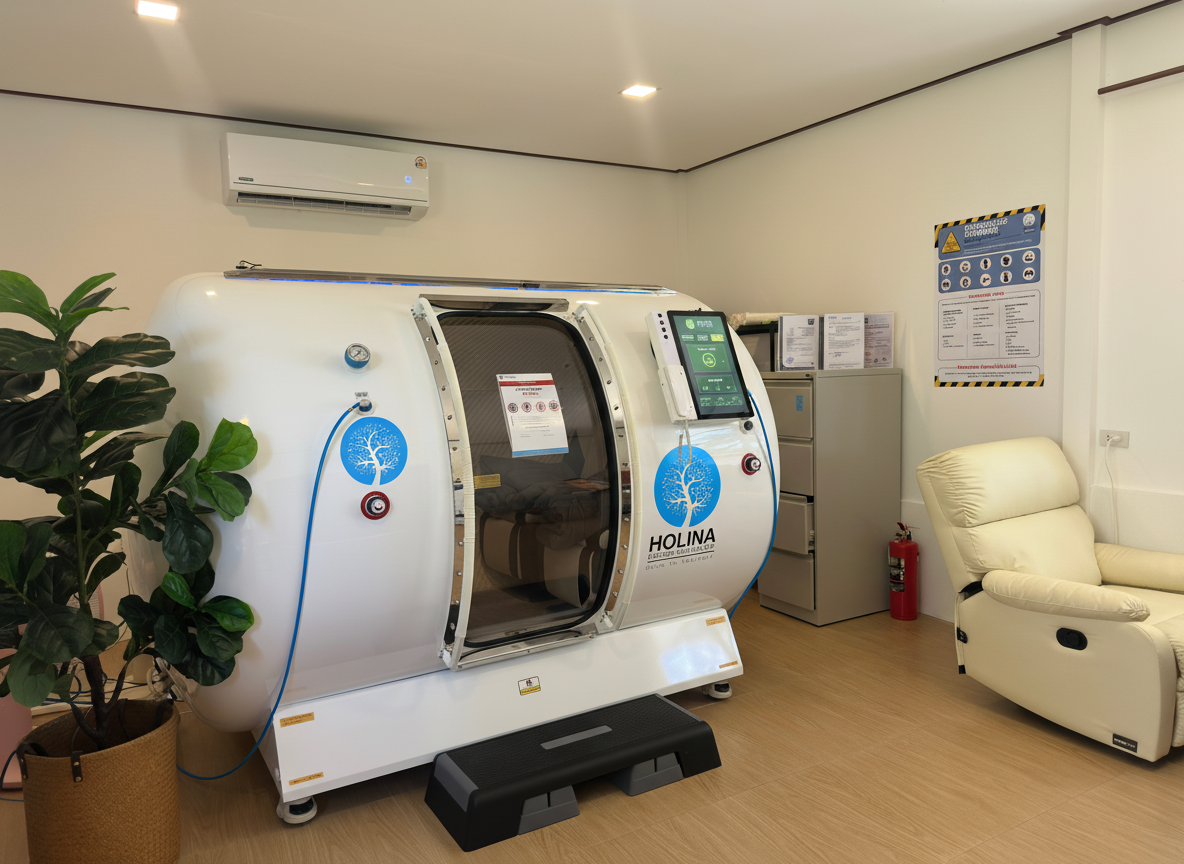
Holina Clinic delivers NAD+ IV infusions as part of a physician-supervised, personalised treatment programme on Koh Phangan, Thailand. Each patient undergoes a clinical assessment before beginning, and infusions are combined thoughtfully with complementary nutrients and co-factors based on individual needs. Holina’s integrated approach means NAD+ therapy can be delivered alongside HBOT, peptide therapy, diagnostics, and other modalities for a truly comprehensive programme.
Learn more about NAD+ IV Infusion at Holina Clinic →
Always consult with a qualified physician before beginning any new treatment programme.
nn
For a broader overview of how this treatment fits within Holina’s integrated approach, read IV Therapy & NAD+ at Holina Clinic: The Complete Guide.